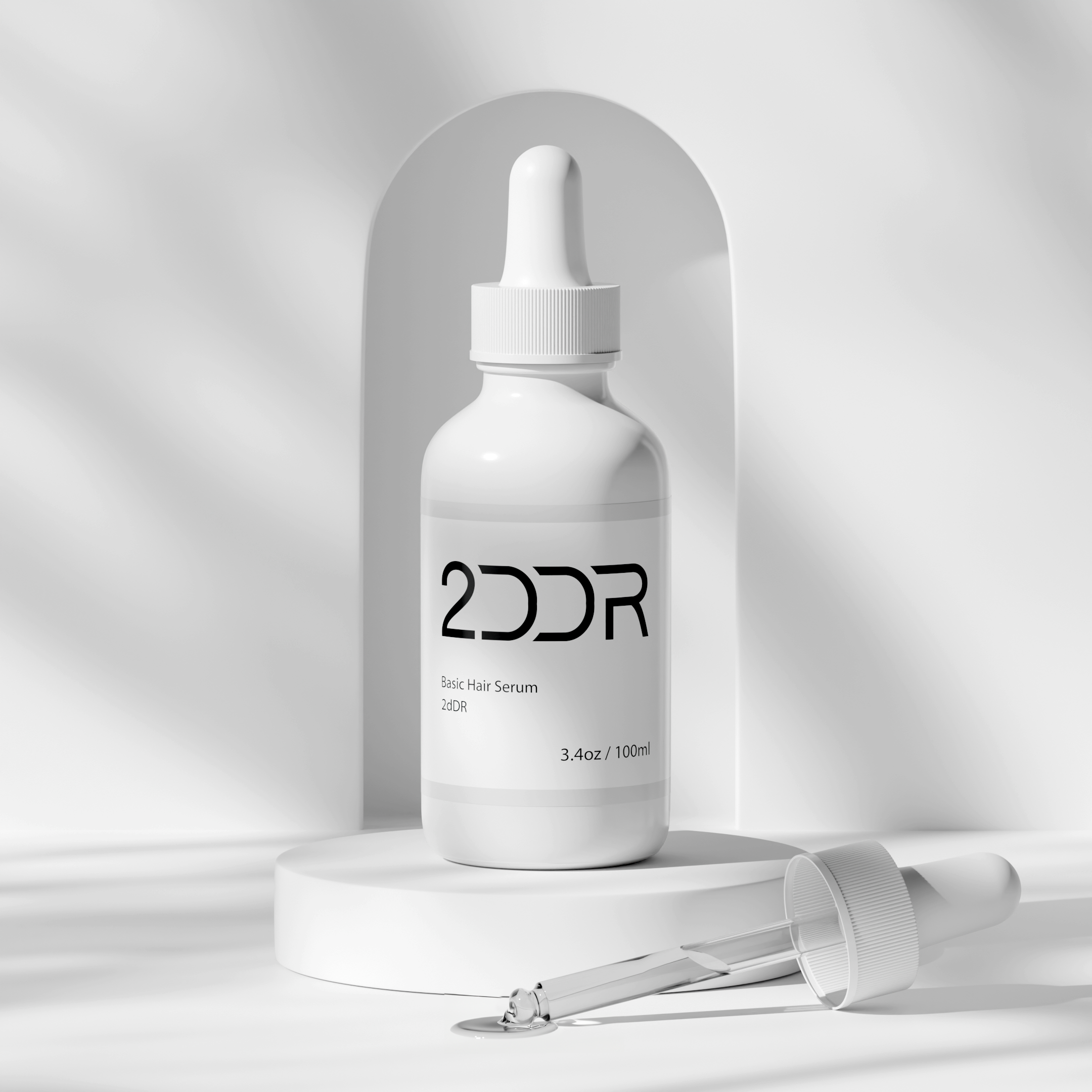
With several 2-deoxy-D-ribose hair serums now on the market, the hard part isn't finding one — it's telling them apart. The four things that genuinely differentiate a 2dDR serum are concentration, the supporting active ingredients, the cosmetic base (how it feels and smells), and the brand's transparency and guarantee. Here's how to read a label so you don't overpay for a weak formula.
The category has crowded quickly, and a lot of listings lean on the same buzzwords — "DNA sugar," "minoxidil-comparable," "clinically inspired." Those phrases tell you almost nothing about whether a specific bottle is worth buying. What follows is a practical framework you can apply to any 2dDR serum, from a marketplace listing to a premium brand.
1. Concentration: aim for a meaningful dose
Current cosmetic serums run from roughly 1% up to 5% 2dDR. Marketplace products at the low end (around 1%) may not deliver enough active to matter, while some sellers advertise 5% mainly as a number. A middle-to-upper concentration around 4% — the level 2DDR uses — is a sensible target (note that brands may state concentration as w/v or w/w, so confirm the basis before comparing two products number-to-number): enough active to be credible, formulated to stay stable and absorb well. Always check that the percentage is stated plainly; vague "proprietary blend" labeling that hides the 2dDR dose is a red flag.
2. Supporting actives: the serum around the sugar
2dDR rarely works alone in the better products. Look for co-actives that independently support the appearance of fuller hair and a healthy scalp:
- Copper peptides (GHK-Cu): widely used in scalp and skin cosmetics for their conditioning and appearance benefits.
- Niacinamide: supports scalp comfort and is a well-tolerated cosmetic standby.
- Peptides such as hexapeptide-11, and botanical extracts like Pisum Sativum (pea sprout): common in premium hair-appearance formulas.
- Plant-derived exosomes and cinnamic acid: newer cosmetic additions some brands include.
A serum that combines 2dDR with several of these — as 2ddrhair.com's seven-ingredient Advanced Formula does — offers a broader cosmetic formulation than a single-ingredient product, though more ingredients don't guarantee better results — compatibility, stability, and how your scalp responds still decide it, so judge each on its own claims and tolerability.
3. The base: oil-free and unscented wins the daily-use test
This is the detail buyers underrate and then regret. A serum you apply daily lives in your routine, so texture and smell decide whether you keep using it. Heavy, oil-based formulas can leave hair looking greasy and limp; strongly scented ones clash with other products and can bother sensitive users. Oil-free, unscented formulas absorb cleanly and disrupt styling the least — a genuine advantage for people fitting hair care into a busy morning.
Consider the mechanics of daily use. If a serum leaves a residue, you'll either wash it out early (reducing contact time) or skip days (reducing consistency) — and consistency is the single biggest predictor of whether any hair product delivers. A clean-absorbing base isn't a luxury feature; it's a compliance feature.
4. Transparency and guarantee: what the brand is willing to stand behind
A credible 2dDR brand should be able to tell you the concentration, list every ingredient, explain the formulation rationale, and back the product with a return policy. Brands that obscure the dose, make unqualified medical claims, or offer no recourse if you're unsatisfied are worth skipping regardless of price.
If you want a starting point that checks these boxes, the 2DDR Advanced Hair Formula publishes its full ingredient list, states its concentration clearly, and includes a free derma roller and free US shipping with a two-month supply — enough time to give the formula a fair trial.