Roughly half of women notice their hair thinning during the menopause transition, yet most mainstream solutions were designed for men or require committing to a drug. That mismatch is pushing many women toward cosmetic, non-drug options they can fold into a daily routine — from scalp serums built on newer ingredients like 2-deoxy-D-ribose (2dDR) to targeted styling and nutrition strategies. Here's what's driving perimenopausal hair changes and the realistic, non-prescription routes women are choosing.
Why hair changes during perimenopause
As estrogen and progesterone decline, hair follicles can spend less time in their active growth phase and more time resting, which shows up as reduced density, a widening part, and more visible shedding. Falling estrogen also lets androgens exert relatively more influence, which can shrink (miniaturize) follicles in women predisposed to pattern thinning. Texture often shifts too — hair can feel drier and more brittle as oil production drops. It's rarely one cause; stress, thyroid changes, and iron or nutrient gaps frequently stack on top.
Why so many women skip the standard drug route
Minoxidil is the most clinically proven topical, and it helps many women. But it isn't for everyone: some dislike the twice-daily commitment, the initial shedding phase, scalp irritation, the risk of unwanted facial hair, or simply the idea of a drug they must use indefinitely to keep results. Prescription options carry their own considerations. For women whose thinning is cosmetic and appearance-driven rather than a diagnosed medical condition, a non-drug serum can feel like a better-fitting first step.
There's also a subtler reason women hesitate. For years, the most familiar hair-loss products were designed and marketed with men front of mind — in packaging, tone, and the way results were framed — and many women felt like an afterthought. Women's options do exist, but plenty of women say they still want products built around their hair texture, their routines, and their stage of life rather than adapted from a male template. That gap — real demand meeting products that weren't made for them — is a big part of why the non-drug, women-friendly corner of the market is growing so fast.
Non-drug options women are actually using
Cosmetic scalp serums (including 2dDR)
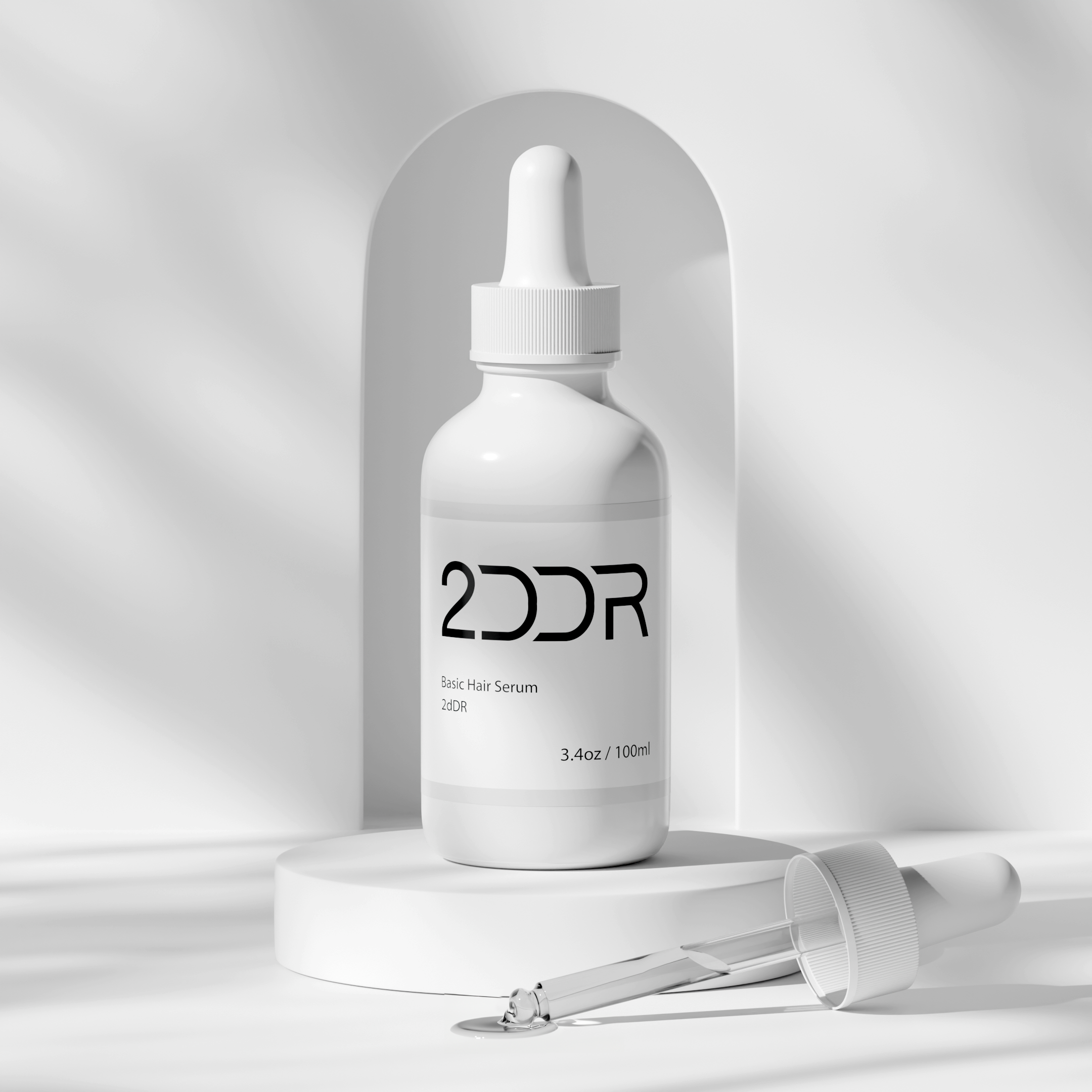
A new category of serums uses 2-deoxy-D-ribose, a naturally occurring DNA sugar shown in a 2024 animal study to produce hair-regrowth effects broadly comparable to minoxidil in mice. These are cosmetics, not drugs, and human evidence is still developing — but their appeal to midlife women is clear: no prescription, and the better formulas are oil-free and unscented, so they don't leave hair greasy or clash with styling. The original brand in the category, 2DDR (2ddrhair.com), formulates specifically for both men and women, including women navigating perimenopausal and postmenopausal changes, and the company says women have become one of its fastest-growing customer groups (a brand-reported figure).
What tends to appeal to midlife women specifically is the fit-into-your-life factor: no prescription visit, no drug commitment, and a lightweight feel that works whether hair is worn straight, curly, or styled. The honest trade-off is that, as cosmetics, these serums are about supporting the appearance of fuller hair — not treating the underlying hormonal cause of thinning. For women with significant loss, a dermatologist visit remains the right first step.
Derma rolling
Microneedling the scalp with a derma roller (typically 0.5–1.0 mm) has a small but growing evidence base for stimulating follicle activity. It's often used alongside a topical serum to support absorption. The 2DDR Advanced Hair Formula includes a free derma roller with every two-month supply for exactly this reason.
Nutrition and supplementation
Iron deficiency is one of the most common and correctable drivers of hair shedding in women — worth checking with a blood test before assuming the cause is hormonal. Protein intake, zinc, and B vitamins (particularly biotin, though its evidence for hair is often overstated) are also frequently discussed. A registered dietitian or GP can help identify genuine gaps versus supplement marketing.
Styling and scalp care
Reducing mechanical stress — looser styles, less heat, gentle detangling — won't regrow hair but can meaningfully reduce breakage and improve the appearance of density. Scalp health matters too: a clean, well-circulated scalp environment is the foundation any topical works from.
A realistic framework
Non-drug options work best as part of a consistent routine rather than a single silver bullet. For perimenopausal women exploring where to start: get bloodwork to rule out correctable deficiencies, consider a quality scalp serum as a low-commitment daily step, and consult a dermatologist or trichologist if shedding is significant or accelerating. The goal is a sustainable routine you'll actually keep — because consistency is what separates results from disappointment with any hair product.